Tag: Spanish Mackerel

Catch Spanish Mackerel from the Shore Guide

Catch Spanish Mackerel from the Shore Guide

Learn how to catch Spanish mackerel from the shore with this complete guide. Discover the best gear, techniques, bait, and tips to land more fish.

Catching Spanish mackerel from the shore is one of the most exciting forms of land-based fishing. Fast runs. Aggressive strikes. And when it all lines up? Absolute chaos in the best way possible.

Here is something a lot of beginners don’t realise…. you don’t need a boat to catch pelagic fish like Spanish mackerel. In fact, during the right season, they will push bait right up against the beach. I have seen sessions where they are busting up just metres from shore.

In this guide, we will break down exactly how to catch Spanish mackerel from the shore, including the best gear, techniques, and a quick look at types of mackerel so you know what you are targeting.

Spanish Mackerel is a type of fish that stays near to the coast in the Atlantic Ocean. They are frequently found between New York and Gulf of Mexico but will migrate to the southern coast of Florida in winter. Spanish Mackerel are fast swimmers and often travel together in large schools near the water surface. When feeding time, they will drive the baitfish to the surface which attracts the diving birds. So, you can’t get wrong with following the diving birds when you want to catch Spanish Mackerel.

Tuna Fishing BookTuna Fishing Book

For more details please view Spanish Mackerel Fishing Guide

Types of Mackerel

Understanding the types of mackerel helps you identify what you’re catching and adjust your approach.

Spanish mackerel (also known as narrow-barred mackerel) are larger and more powerful than smaller species like Spotted mackerel and School mackerel. Spanish mackerel

  • Grow much bigger
  • Hit harder
  • Require heavier gear

Spotted and school mackerel are still great fun from shore, but they are generally smaller and more forgiving for beginners.

Knowing the difference helps you match your gear and expectations to the fish you are targeting.


Catching Spanish Mackerel from the Shore

Catching Spanish mackerel from land comes down to timing, location, and speed. These fish are fast, aggressive predators that hunt bait schools in open water and along coastlines.

The best places to target them include:

  • Beaches with deep gutters
  • Rock platforms
  • Piers and headlands

Early morning and late afternoon are prime times. You are looking for signs like birds diving, baitfish scattering, or surface splashes.

When they are feeding, they move quickly. That means you need to cast far and retrieve fast. A slow presentation simply won’t get hit.

Where to Find Spanish Mackerel

Spanish Mackerel is a migrating fish that will move from places to places depending on the weather. They usually appear in water with temperature around 70 degree. You can reference the temperature table at the NOAA website to learn about the water temperature of different US coastal waters at different dates. The changes of the water temperature is usually determined by the weather pattern so you will also want to check out the local fishing reports. You can get news on the local fishing reports in the forums and other websites.

The best time to catch Spanish Mackerel in North/South Carolina, and Georgia is from May to October. The Spanish Mackerel fishing season for Alabama, Mississippi, Texas, Louisiana, and St. Augustine in Florida starts from April to October. The fishing season for Naples and Stuart Beach in Florida extends from March to November. Beginning your fishing day at sunrise can give you more success because they are more likely to be in the shallow water around this time.
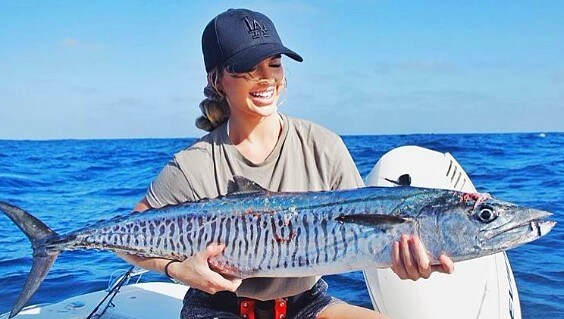
catching spanish mackerel

How to Find Spanish Mackerel

Spanish Mackerel is usually found swimming near the shore around 5 – 20 feet deep. If you don’t have a boat, you will have to go to a spot where you can target them in the deeper water. You can target on Spanish Mackerels from the beach, jetties and piers. Live baits work particularly well when you are fishing from a pier. You should get familiar with the rules of the pier before fishing there.

The pier may have rules on the number of rods you can bring, alcohol, and whether you need to get any license to fish at the beach. Jetties are built deeper into the water which means you don’t need to cast far. For this reason, you can use lighter baits like little glass minnow, feather jigs, and hair jig. Spanish Mackerels can also often be found along the actual coastlines, for example, the Pensacola Bay in Florida.
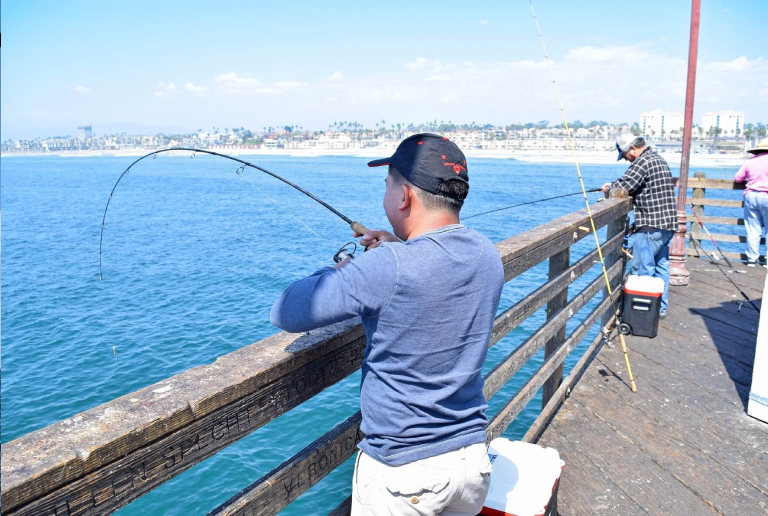
catching turn from the shore

Targeting Spanish Mackerel When Fishing

Spanish Mackerel is a big fish but its favorite food is the small baitfish so you need to prepare small baits. Besides, you will also want to choose a bait that has similar color with the baitfish. You can use live baits such as mullets, cut squid, and live/dead shrimp for catching Spanish. To attract Spanish, you will have to retrieve the lure fast as they like to chase after the target at a high speed. Getting a high gear ratio tackle is a must for faster retrieval. If you can retrieve the lure fast, you will be able to make another cast back to the school before it moves to another spot. Conventional tackle works best if you are fishing from the piers.

To improve your chances of catching a mackerel, you can use a longer fly fishing rod. Longer rod like 9 feet rod allows you to make a longer cast. Heavy metal lure is useful for catching mackerels as it allows you to cast your line far and faster. Spanish mackerels can swim quite fast and that is why you should use a metal lure. The lure will be able to cast far allowing you to reach schools easily from your spot. Metal lure is more resistant to the teeth of Spanish Mackerel and can last for a long time. Casting spoons, and Gotcha plugs are some of the artificial baits that can help you get passed the sandbar.


Best Gear for Shore Based Mackerel Fishing

Gear matters more than people think when targeting Spanish mackerel from shore. You need casting distance, strength, and speed.

A typical setup includes

  • 9-12 ft rod
  • 4000-6000 size spinning reel
  • 15-30 lb braid
  • Wire leader (to prevent bite-offs)

Here are a few solid options we can recommend

  • Penn Battle III Spinning Reel (4000-6000) – Reliable, tough, and perfect for saltwater
  • Ugly Stik GX2 Surf Rod – Durable and forgiving for beginners
  • KastKing SuperPower Braided Line – Strong and affordable braid option
  • AFW Tooth Proof Wire Leader – Essential for mackerel’s sharp teeth

These products are beginner-friendly but still strong enough to handle fast, hard-hitting fish.

Choosing the Leaders for Spanish Mackerel

Choosing the right leader line can make a lot of difference. You can use 30 – 50 pound monofilament for the leader. The leader should preferably be long up to 5 foot so that you can cut and retie several times. The line will become more and more frayed as you catch more fish so it is important to check the line for damage from time to time.

Braided line is not recommended as it can easily get noticed and bitten by the sharp teeth of Spanish. You also want to make sure that the leader is not too noticeable as it will make the Spanish avoid your bait. You will want to avoid using a flashy swivel for the leader as the fish is likely to strike it. It is recommended to use a small swivel with muted color such as matte black.

Best Lures and Bait for Spanish Mackerel

Spanish mackerel are visual hunters. They chase fast-moving bait and react aggressively to flash and speed.

The best lures include:

  • Metal slugs
  • Spoons
  • High-speed stickbaits

Retrieve them quickly… like really really quickly. If you think you are reeling fast enough, go faster.

Top products:

  • Halco Twisty Metal Lure – Excellent casting distance and flash
  • Goture Metal Jig Lures – Budget-friendly multi-pack option
  • Savage Gear Surf Walker Stickbait – Great for surface strikes

If you prefer bait, use

  • Pilchards
  • Garfish
  • Slimy mackerel

Just remember that bait fishing works best when fish are already in the area.

Mackerel Fishing Tips to Increase Your Catch Rate

If you want to consistently catch Spanish mackerel from the shore, small adjustments make a big difference.

First, focus on mobility. Don’t stay in one spot too long if there’s no action. Mackerel move fast, and you need to find them.

Second, watch the water. Birds diving and bait flicking are your biggest clues. Fish where the action is.

Third, upgrade your leader. Bite-offs are one of the biggest frustrations when targeting mackerel. A short wire trace can save you a lot of lost fish.

Finally, keep your retrieve speed high. This is probably the most important tip in this entire guide.

Catching Spanish mackerel from the shore is one of the most rewarding styles of fishing you can do without a boat. It’s fast, visual, and incredibly addictive.

With the right gear, a bit of timing, and a focus on speed, you can dramatically increase your chances of success. Start simple, stay mobile, and pay attention to what’s happening on the water.

Once you hook your first Spanish mackerel from the beach… you will be back chasing them again, guaranteed.

Frequently Asked Questions

What is the best time to catch Spanish mackerel from the shore?

The best time to catch Spanish mackerel from the shore is early morning and late afternoon when they are actively feeding. Look for signs like birds diving and baitfish near the surface, as this usually indicates mackerel are nearby.

What is the best bait for Spanish mackerel from the beach?

The best bait for Spanish mackerel includes pilchards, garfish, and slimy mackerel. These baitfish closely match what mackerel naturally feed on and work best when presented fresh or live.

What lures work best for Spanish mackerel?

Metal slugs, spoons, and fast-retrieving stickbaits are the most effective lures for Spanish mackerel. These lures create flash and movement that trigger aggressive strikes.

Do you need a wire leader for Spanish mackerel?

Yes, using a wire leader is highly recommended because Spanish mackerel have sharp teeth that can easily cut through standard fishing line. A short wire trace helps prevent losing fish.

How far do you need to cast to catch Spanish mackerel?

Casting distance is important, but not always extreme. Spanish mackerel often chase bait close to shore, so long casts help, but positioning near feeding activity matters more.

Can you catch Spanish mackerel from the beach without a boat?

Yes, Spanish mackerel can be caught from the beach, especially during warmer months when they move close to shore chasing bait schools. Beaches, headlands, and piers are all productive spots.

Keywords

  • catch spanish mackerel from shore
  • shore fishing mackerel
  • spanish mackerel fishing tips
  • best lures for mackerel
  • mackerel fishing gear
  • surf fishing mackerel
  • how to catch mackerel
  • types of mackerel fish
  • metal lures for mackerel
  • beach fishing for mackerel

Spanish Mackerel Fishing Guide

Spanish Mackerel Fishing Guide

Discover everything about Spanish mackerel fishing. Learn tips for catching them, their size, feeding habits, lures to use, taste, recipes, and more.

Spanish mackerel fishing is more than a pastime, it is a thrilling adventure. With their sharp teeth, stunning speed, and delicious taste, these fish are a favorite for anglers worldwide. This guide has everything you need to know about Spanish mackerel. From fishing techniques to world records so let’s dive in!


Spanish Mackerel Size and Species Info

Spanish mackerel are fast-swimming, predatory fish known for their agility and value in both sport fishing and cuisine. Spanish mackerel belong to the Scomberomorus genus and thrive in warm coastal waters. They are abundant in waters off the southeastern United States, Australia, and the Indian Ocean, particularly around reefs and coastal drop offs.

Skipjack Tuna Info

Spanish Mackerel Scientific Name – Scomberomorus maculatus
Spanish Mackerel Size – 16 to 42 inches (1.5 to 4 feet)
Spanish Mackerel Weight – 1.5–3 pounds (680–1360 grams)
Spanish Mackerel Mercury – Low to Medium
Spanish Mackerel Price – Medium

Spanish mackerel are easily recognized by their sleek, silver body with stripes or spots and sharp triangular teeth designed for catching prey.

Spanish Mackerel is a migrating fish that will move from place to place depending on the weather. They usually appear in water with temperatures around 70 degrees. Beginning your fishing day at sunrise can give you more success because they are more likely to be in the shallow water around this time. You can reference the temperature table at the NOAA website to learn about the water temperature of different US coastal waters at different dates. The changes of water temperature is usually determined by the weather pattern so you will also want to check out the local fishing reports. You can get guidance on the local fishing reports in forums and other websites.

The best time to catch Spanish Mackerel in North/South Carolina, and Georgia is from May to October. The Spanish Mackerel fishing season for Alabama, Mississippi, Texas, Louisiana, and St. Augustine in Florida starts from April to October. The fishing season for Naples and Stuart Beach in Florida extends from March to November.

Spanish Mackerel Size and Growth

Spanish mackerel typically range in size from 16 to 42 inches (40 to 120 cm) in length, with some reaching up to 54 inches (1.5 m) under optimal conditions. Their growth is influenced by factors like food availability, water temperature, and fishing pressure (as overfishing can reduce their average size in certain areas).

Spanish Mackerel World Record

The current world record for the largest Spanish mackerel is an impressive 29 pounds, 3 ounces (13.24 kg), caught off Ocracoke, North Carolina, in 1987. This catch remains a benchmark for anglers worldwide.

One unforgettable tale comes from Australia, where a massive Spanish mackerel weighing over 40 kg (88 pounds) was reeled in, sparking debates about regional variations in size. In another legendary account, a fisherman in the Gulf of Mexico landed a near record mackerel after an hour long battle, showcasing the species speed and endurance.


Catch Mackerel How To

Spanish Mackerel are a big fish but its favorite food is the small baitfish so you need to prepare small baits. You can use live bait such as mullets, cut squid, and live/dead shrimp for catching Spanish from the shore or jetties.

Spanish Mackerel are fast swimmers and often travel together in large schools near the waters surface. When feeding time, they will drive the baitfish to the surface which attracts the diving birds. So as with tuna, you can’t go wrong with following the diving birds when you want to catch Spanish Mackerel.

Mackerel are far easier to catch with lures. To attract Spanish, you will have to retrieve the lure fast as they like to chase after the target at a high speed. A heavy metal lure is useful for catching mackerels as it allows you to cast your line far and faster. Getting a high gear ratio reel is a must for faster retrieval. If you can retrieve the lure fast, you will be able to make another cast back to the school before it moves to another spot.

Spanish Mackerel Teeth

Spanish mackerel teeth

Spanish mackerel have razor sharp triangular teeth that are designed for tearing through baitfish with incredible efficiency. Their teeth are perfectly aligned to grip and slice making them highly effective predators in the marine ecosystem. These teeth will also have the same effect on angler’s lines, baits and lures.

Because of these sharp teeth, anglers need to use wire leaders or heavy duty fluorocarbon to prevent the fish from biting through the line. Choosing the right leader line can make a lot of difference. You can use 30 – 50 pound rated line or wire for the leader. Braid line is not recommended as it can easily get noticed and bitten by the sharp teeth of Spanish. You also want to make sure that the leader is not too noticeable as it will make the Spanish avoid your bait. You will want to avoid using a flashy swivel for the leader as the fish is likely to strike it. It is recommended to use a small swivel with muted color such as matte black.

Additionally, metal lures like spoons or jigs are preferred, as they mimic the fast moving prey that Spanish mackerel are equipped to catch and will suffer less damage to the sharp teeth.

Fishing King Mackerel Vs Spanish Mackerel

Anglers love targeting Spanish and king mackerel because these fish offer a thrilling combination of speed, strength, and excitement. Known for their blistering runs and acrobatic fights, both species test an angler’s skill and gear. Both species are also celebrated for their delicious flavor, adding the reward of a tasty meal to the thrill of the chase.

When fishing for king mackerel, Spanish mackerel, or other similar species, the above plan and recommendations remain the same.


Spanish Mackerel Taste

Spanish mackerel are prized for their mild yet rich flavor making them a favorite among seafood lovers. Their flesh is firm, flaky, and slightly oily, which enhances its taste and makes it ideal for grilling, smoking, or frying. Compared to other fish, Spanish mackerel have a cleaner, less “fishy” taste than sardines or herring, but they are more flavorful than white fleshed species like cod or flounder.

Fresh catches are best prepared immediately to preserve their delicate texture and flavor and their versatility and distinctive taste make them a standout choice for culinary enthusiasts.

Spanish Mackerel Recipe

When it comes to mackerel fish recipes, the options are as versatile as they are delicious.

Grilled Spanish mackerel is a classic choice, enhanced with a squeeze of fresh lemon or a tangy garlic butter glaze. For something lighter, ceviche made with diced mackerel marinated in lime juice, chili, and herbs offers a zesty, refreshing dish.

Spanish mackerel sushi is another standout option as the fish’s firm texture and rich flavor pair perfectly with sushi rice, soy sauce, and wasabi. Be it served as sashimi or in sushi rolls, mackerel brings a bold, buttery taste to any Japanese inspired meal, making it a must try.


Spanish Mackerel Florida

Spanish mackerel are highly popular among anglers in Florida, thanks to their abundance in coastal waters such as the Atlantic Ocean and Gulf of Mexico. They are a favorite for both recreational fishers and commercial operations due to their fighting ability and delicious flavor.

In Florida, Spanish mackerel thrive in the warm waters of the Atlantic and Gulf Coast, particularly near reefs, piers, and sandy drop offs.

Spanish Mackerel Size Limit Florida

The state has a size limit for Spanish mackerel of 12 inches (30.5 cm) to the fork. This ensures sustainable fishing practices while maintaining their popularity as a prized catch. Many other states and territories around the globe have mackerel size limits so please check your local fishing rules.


Catching Spanish Mackerel from the Shore

Spanish Mackerel is usually found swimming near the shore around 5 – 20 feet deep. If you don’t have a boat, you will have to go to a spot where you can target them in the deeper water. You can target on Spanish Mackerels from the beach, jetties and piers. Live baits work particularly well when you are fishing from a pier. You should get familiar with the rules of the pier before fishing there.

The pier may have rules on the number of rods you can bring, alcohol, and whether you need to get any license to fish at the beach. Jetties are built deeper into the water which means you don’t need to cast far. For this reason, you can use lighter baits like little glass minnow, feather jigs, and hair jig. Spanish Mackerels can also often be found along the actual coastlines, for example, the Pensacola Bay in Florida.

To improve your chances of catching a mackerel, you can use a longer fly fishing rod like 9 feet rod allows you to make a longer cast. 


Spanish mackerel fishing offers excitement, challenge, and tasty rewards. With the right knowledge and techniques, you can master catching these remarkable fish. So grab your gear, plan your trip, and start reeling in the action.

Keywords

  • Spanish mackerel fishing tips
  • Mackerel Fish Size
  • Catching Mackerel
  • Catching Spanish Mackerel
  • Spanish mackerel good to eat
  • Best bait for Spanish mackerel
  • How to catch Spanish mackerel
  • Spanish mackerel season
  • Spanish mackerel size comparison
  • Spanish mackerel habitat
  • Spanish mackerel recipes grilled
  • Spanish mackerel ceviche
  • How to fillet Spanish mackerel
  • Spanish mackerel fishing spots
  • Spanish mackerel lures
  • Spanish mackerel diet
  • Spanish mackerel migration
  • World record Spanish mackerel
  • Spanish mackerel vs king mackerel
  • Spanish mackerel sushi recipe
  • Spanish mackerel sashimi
  • Spanish mackerel teeth facts
  • Spanish mackerel flavor profile
  • King mackerel fishing tips